Optimal Timing for Tree Removals
Timing is a critical factor in tree removal procedures. The optimal time depends on various environmental and biological factors, including tree species, local climate, and specific site conditions. Proper timing can enhance safety, reduce impact on surrounding vegetation, and ensure efficient removal processes.
Spring is suitable for tree removals when trees are still dormant or just beginning to bud, minimizing stress and potential disease spread.
Summer removals are often avoided due to active growth, but may be necessary in urgent situations, with precautions for heat and foliage.
Fall offers a good window before winter dormancy, with trees losing leaves and entering dormancy, reducing damage risk.
Winter is considered ideal for tree removal because of dormancy, frozen ground for easier equipment movement, and less impact on surrounding vegetation.
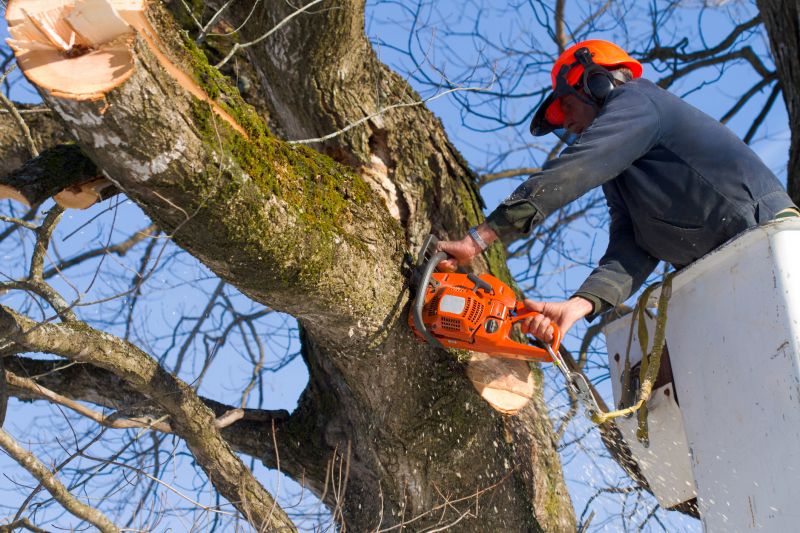
Frozen ground allows for easier access and reduces soil disturbance.
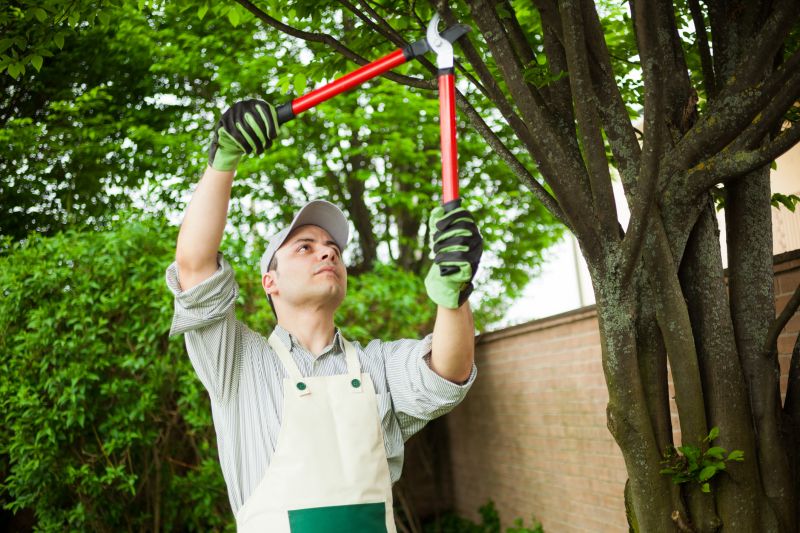
Early spring minimizes stress during active growth periods.
Leaves shed, making it easier to assess and remove trees.
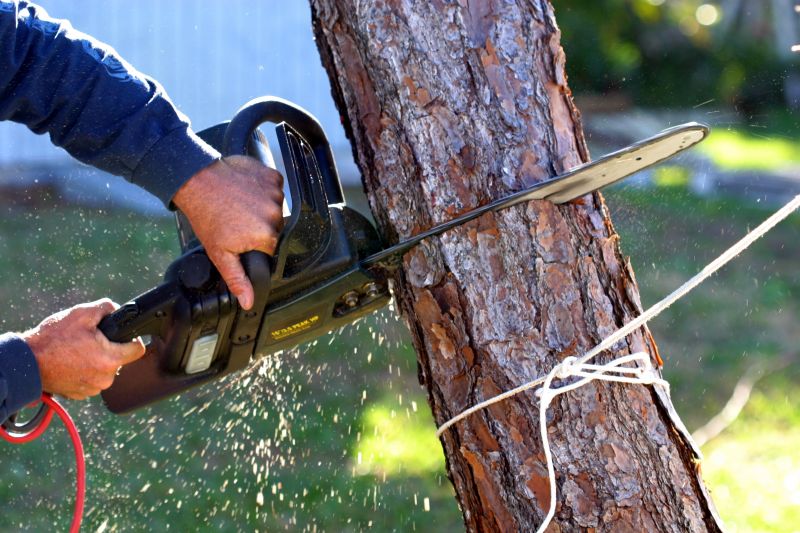
Ways to make Tree Removals work in tight or awkward layouts.
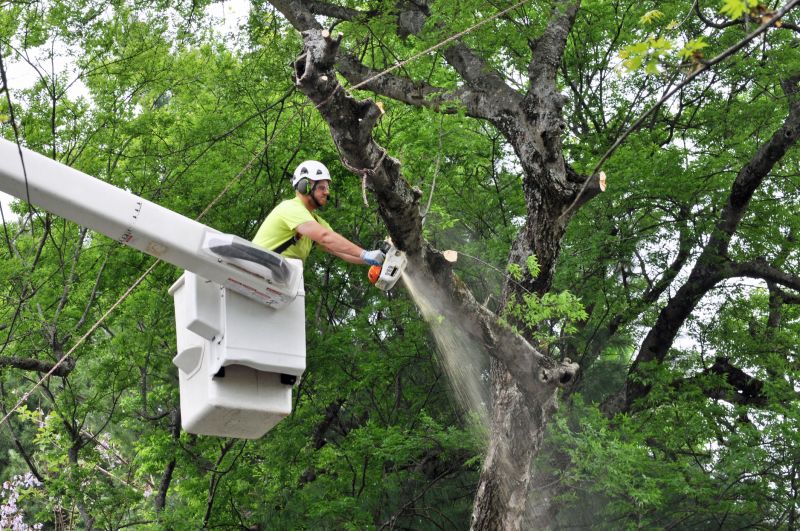
Popular materials for Tree Removals and why they hold up over time.
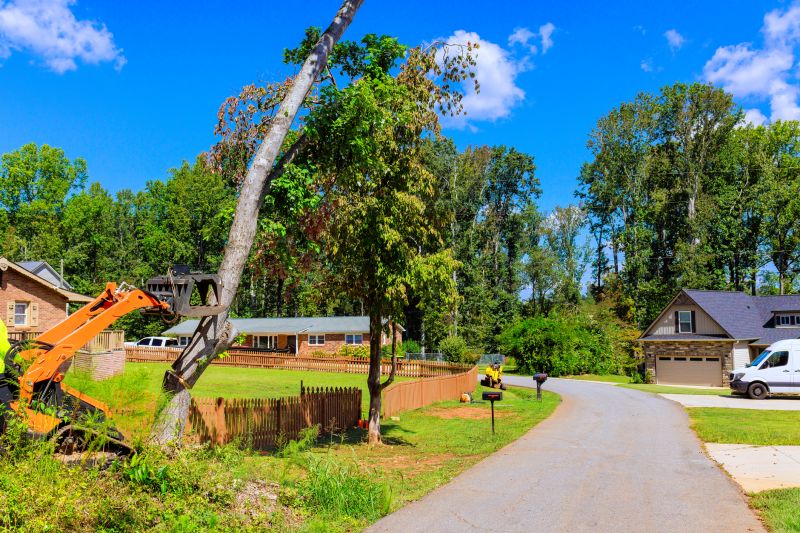
Simple add-ons that improve Tree Removals without blowing the budget.
| Season | Best Practices |
|---|---|
| Spring | Perform removals before bud break; monitor weather conditions. |
| Summer | Limit to urgent cases; ensure hydration and safety measures. |
| Fall | Schedule before leaf fall; consider weather forecasts. |
| Winter | Ideal for most removals; plan for frozen ground. |
| Other considerations | Avoid during extreme weather or storm conditions. |
Tree removals involve careful planning to ensure safety and minimize environmental impact. Proper timing can reduce complications such as soil disturbance, damage to nearby vegetation, and the risk of falling branches during removal. Statistically, winter removals account for approximately 60% of non-emergency tree removals due to optimal conditions, while spring and fall account for the remaining percentage, depending on regional climate.
Understanding seasonal variations and biological cycles of trees can aid in scheduling removals effectively. Proper timing ensures the safety of personnel, reduces property damage, and promotes healthier landscape management practices.
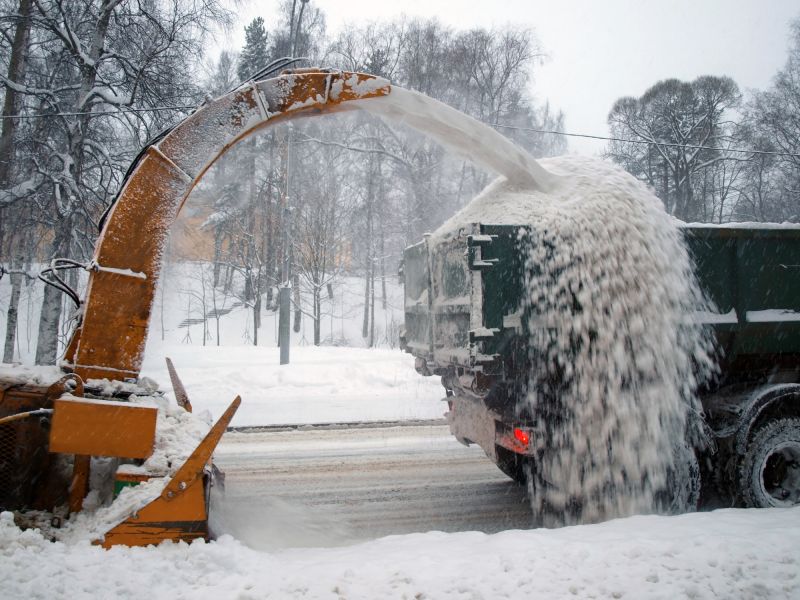
Frozen ground supports heavy machinery operation.
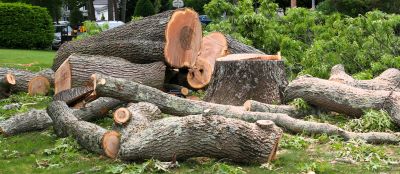
Early season removals reduce stress on remaining vegetation.
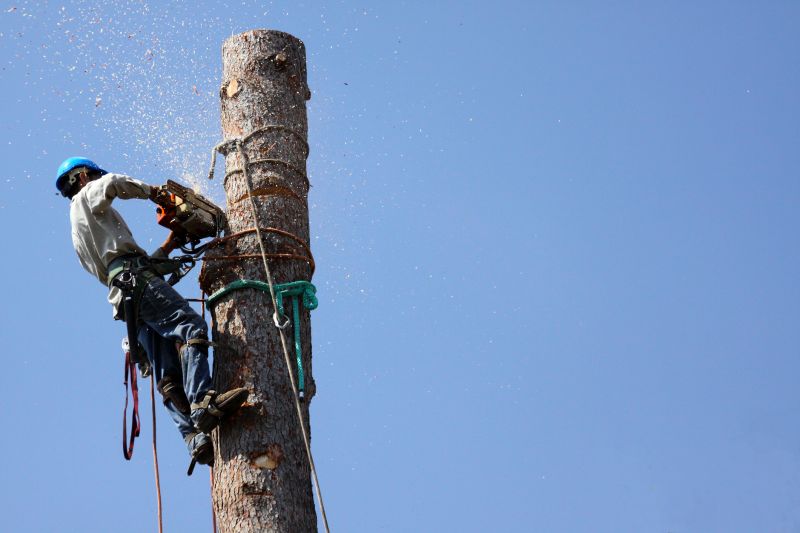
Assessing trees before leaf fall for safety.
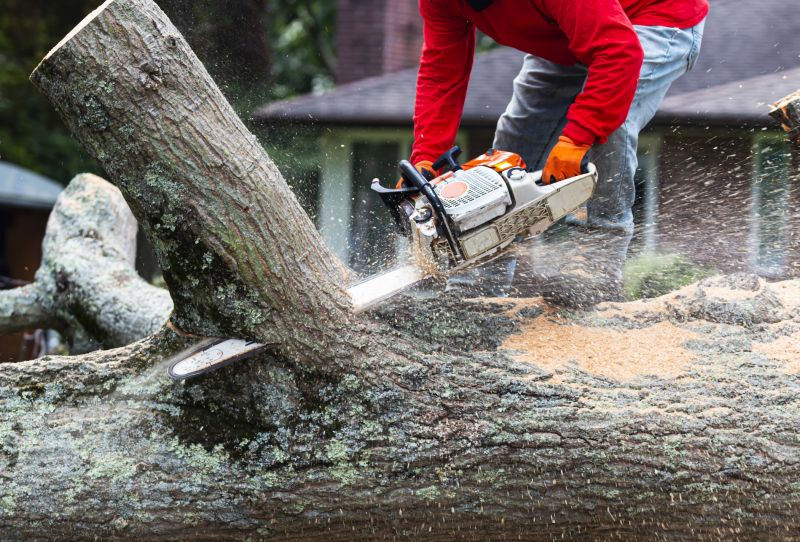
Preparing the site during optimal seasons ensures safety.
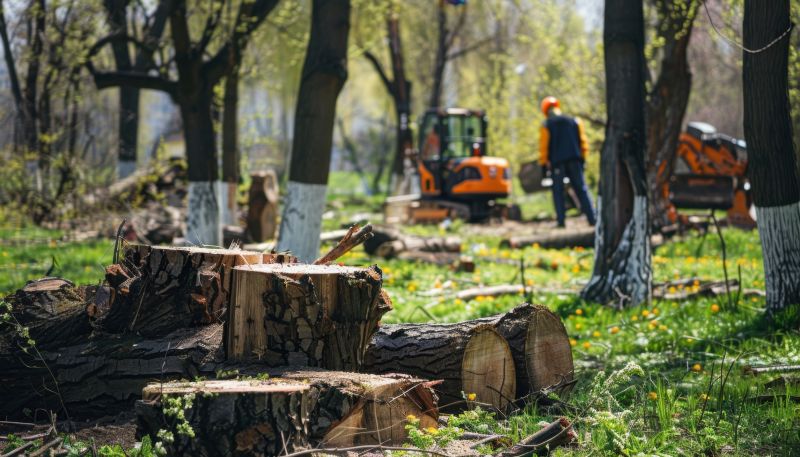
High-end options that actually feel worth it for Tree Removals.
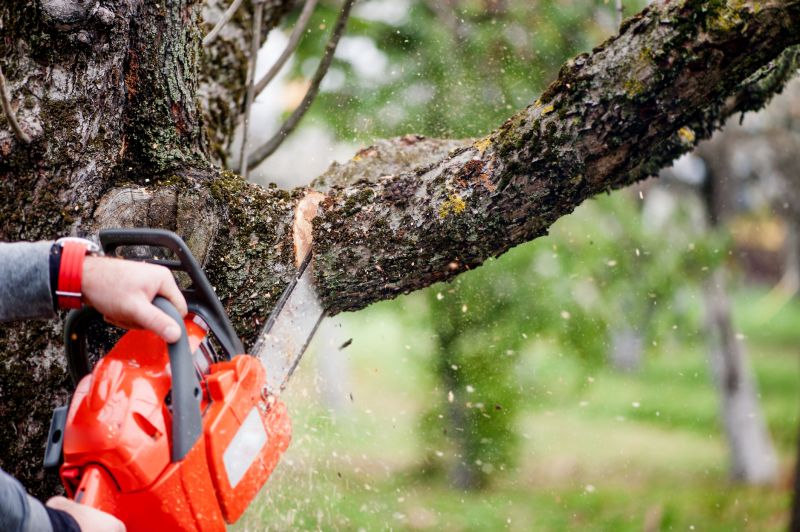
Finishes and colors that play nicely with Tree Removals.

Little measurements that prevent headaches on Tree Removals day.
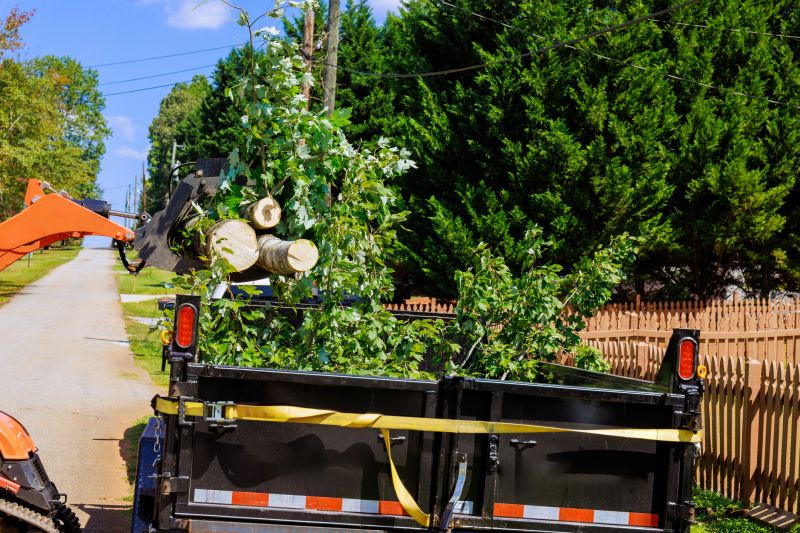
A 60-second routine that keeps Tree Removals looking new.
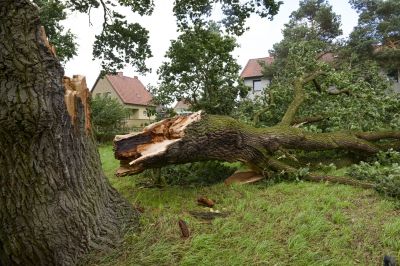
A frequent mistake in Tree Removals and how to dodge it.
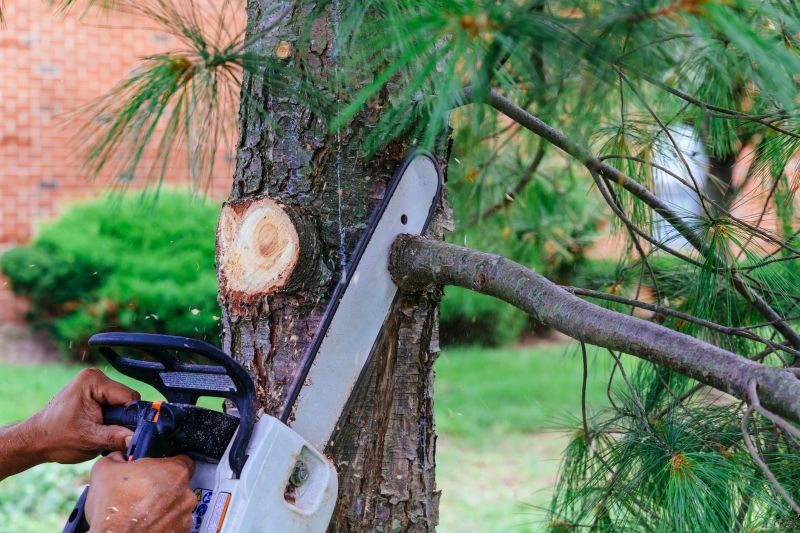
Small tweaks to make Tree Removals safer and easier to use.
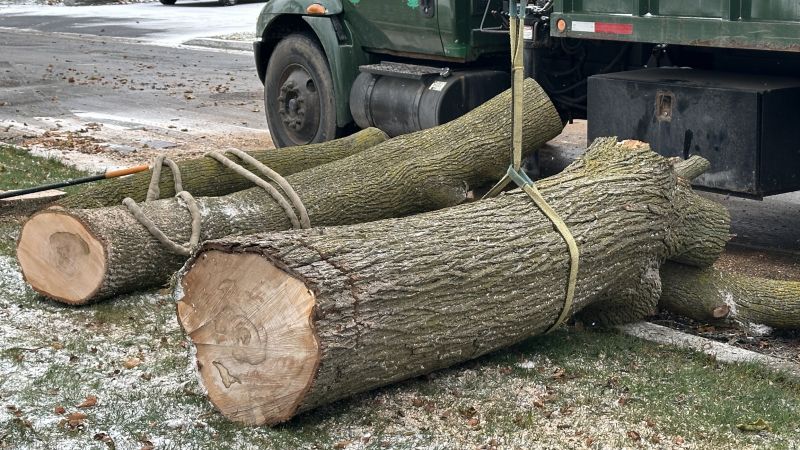
Lower-waste or water-saving choices for Tree Removals.
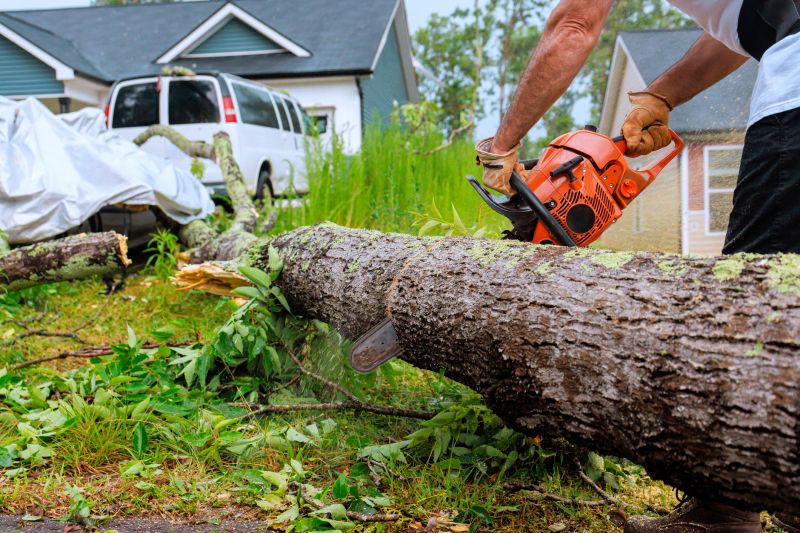
The short, realistic tool list for quality Tree Removals.
Interested in scheduling a tree removal or seeking further information? Filling out the contact form provides an opportunity to discuss specific needs and receive expert guidance tailored to local conditions and tree species.