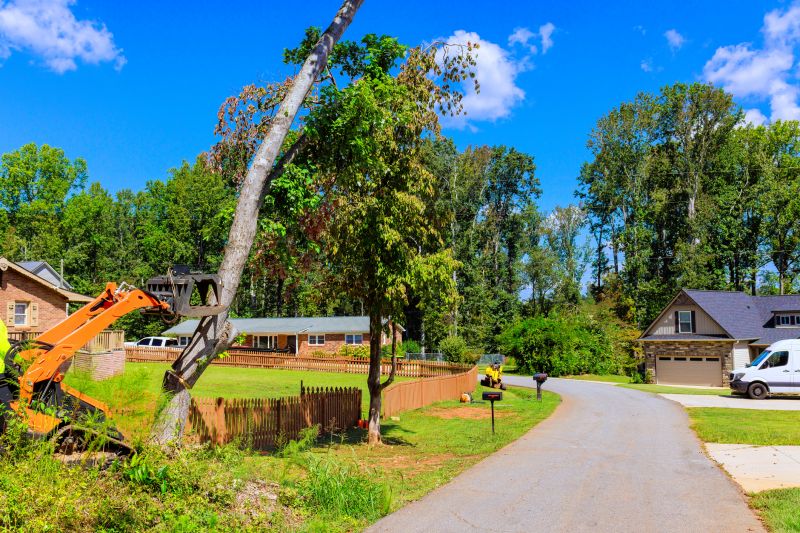
Palm Tree Removal in Allentown, PA
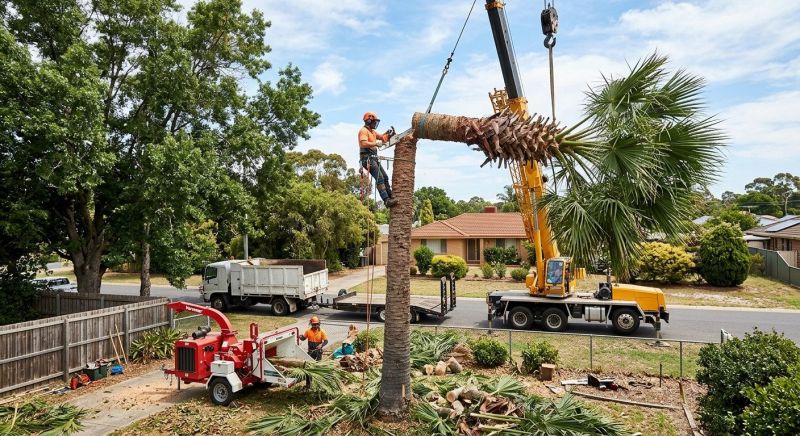
Palm tree removal services involve the careful and efficient removal of palm trees that are dead, diseased, damaged, or no longer desired on a property. These projects typically include assessing the tree’s condition, safely cutting and dismantling the trunk and fronds, and properly disposing of the debris. Property owners often request this service to improve safety, prevent property damage, or enhance landscape aesthetics, especially when a palm tree has become unstable or is obstructing views or structures.
Before requesting palm tree removal, homeowners should consider the size and location of the tree, as well as any potential impact on surrounding structures or landscaping. It is also helpful to understand local regulations or restrictions related to tree removal, and to determine whether any permits are required. Clear communication about the scope of work and the condition of the tree can help ensure the project proceeds smoothly and safely.
Many property owners in Allentown, PA look into Palm Tree Removal for repairs, replacements, upgrades, and appearance-related improvements.
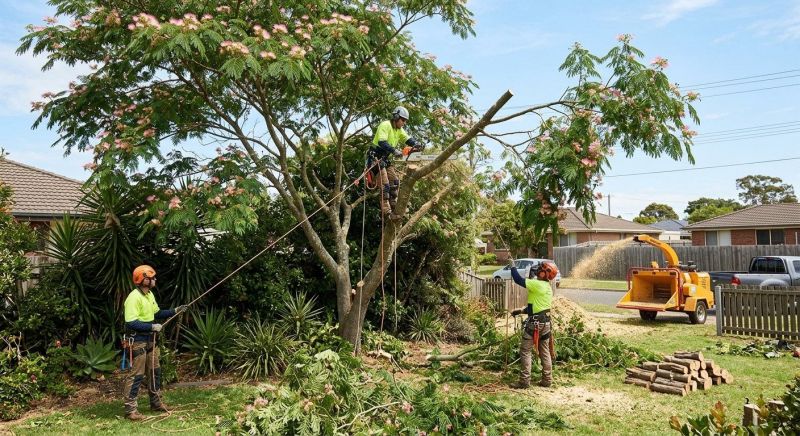
Reasons For Tree Removal
Trees may need removal due to disease, damage, or safety concerns on residential properties.
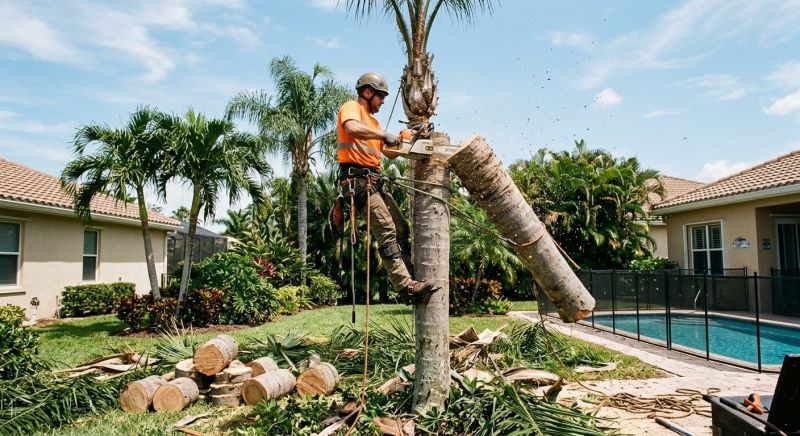
Removal Process Overview
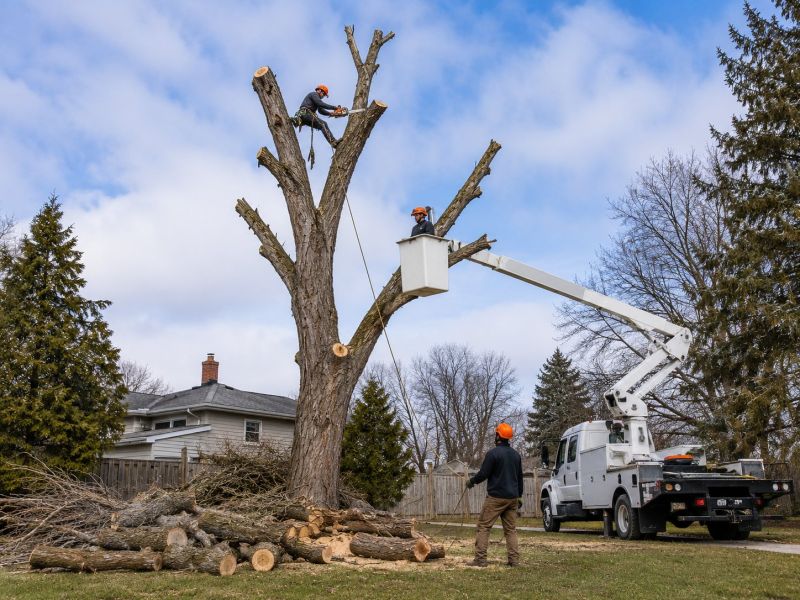
Proper tree removal involves careful planning, equipment use, and cleanup to protect your landscape.
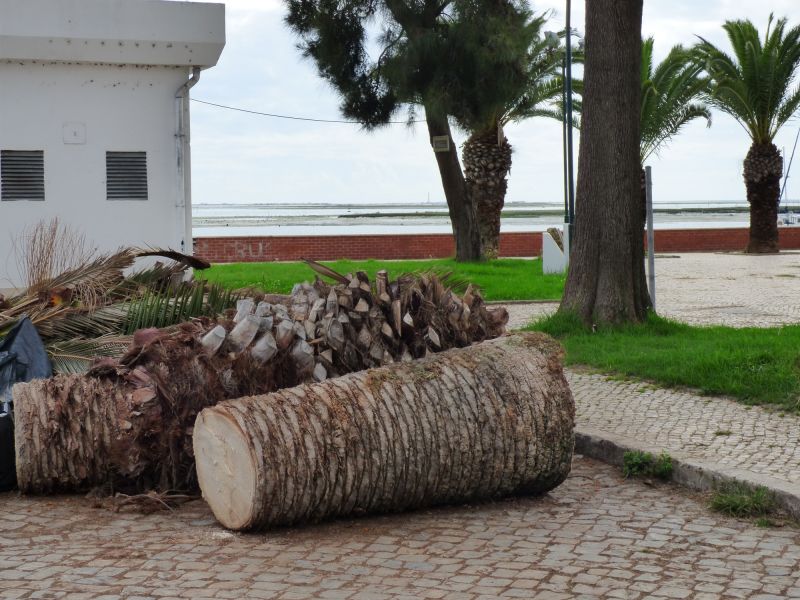
Post-Removal Landscaping
After tree removal, property owners often consider stump grinding and landscape restoration options.
Palm Tree Removal in Allentown, PA

Palm tree removal services involve the careful and efficient removal of palm trees that are dead, diseased, damaged, or no longer desired on a property. These projects typically include assessing the tree’s condition, safely cutting and dismantling the trunk and fronds, and properly disposing of the debris. Property owners often request this service to improve safety, prevent property damage, or enhance landscape aesthetics, especially when a palm tree has become unstable or is obstructing views or structures.
Before requesting palm tree removal, homeowners should consider the size and location of the tree, as well as any potential impact on surrounding structures or landscaping. It is also helpful to understand local regulations or restrictions related to tree removal, and to determine whether any permits are required. Clear communication about the scope of work and the condition of the tree can help ensure the project proceeds smoothly and safely.
Many property owners in Allentown, PA look into Palm Tree Removal for repairs, replacements, upgrades, and appearance-related improvements.
Common Palm Tree Removal Jobs
Palm Tree Removal - safely removes unhealthy or damaged palms to prevent property damage.
Stump Grinding - clears remaining stumps to improve landscape safety and appearance.
Complete Tree Removal - eliminates entire palm trees that pose safety or aesthetic concerns.
Hazard Tree Removal - addresses palms at risk of falling due to storms or decay.
Selective Palm Trimming - maintains palm health and appearance through professional pruning.
Emergency Palm Removal - provides urgent removal services after storms or storm damage.
Palm Tree Removal Questions
When should a palm tree be removed? Removal is recommended if the tree is dead, diseased, or poses a safety risk due to instability or damage.
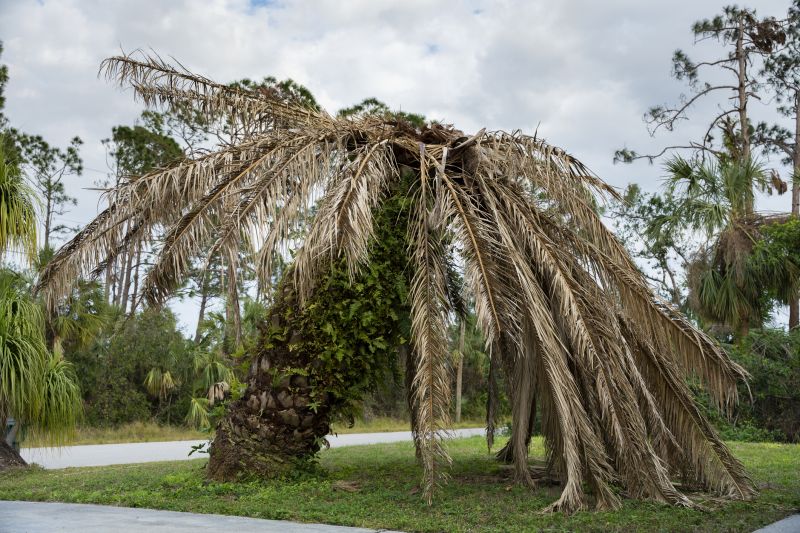
What signs indicate a palm tree needs removal? Signs include leaning, broken fronds, visible decay, or root issues affecting stability.
Is palm tree removal suitable for all types of palms? Most common palm species can be removed, but some varieties may require special techniques or considerations.
What should property owners consider before removing a palm tree? It is important to assess surrounding structures, potential stump grinding needs, and any local regulations.
Request Palm Tree Removal in Allentown, PA
Use the quote form on this page to share the basics of your project and request more information for the type of work you need.